Pole inspection built for utility-scale accuracy

DetectOS turns pole imagery from drones, vehicles, and phones into severity-ranked findings verified by experts. Know the true condition of every utility pole on your system, from groundline to pole top, without sending climbers to structures that never needed the visit.
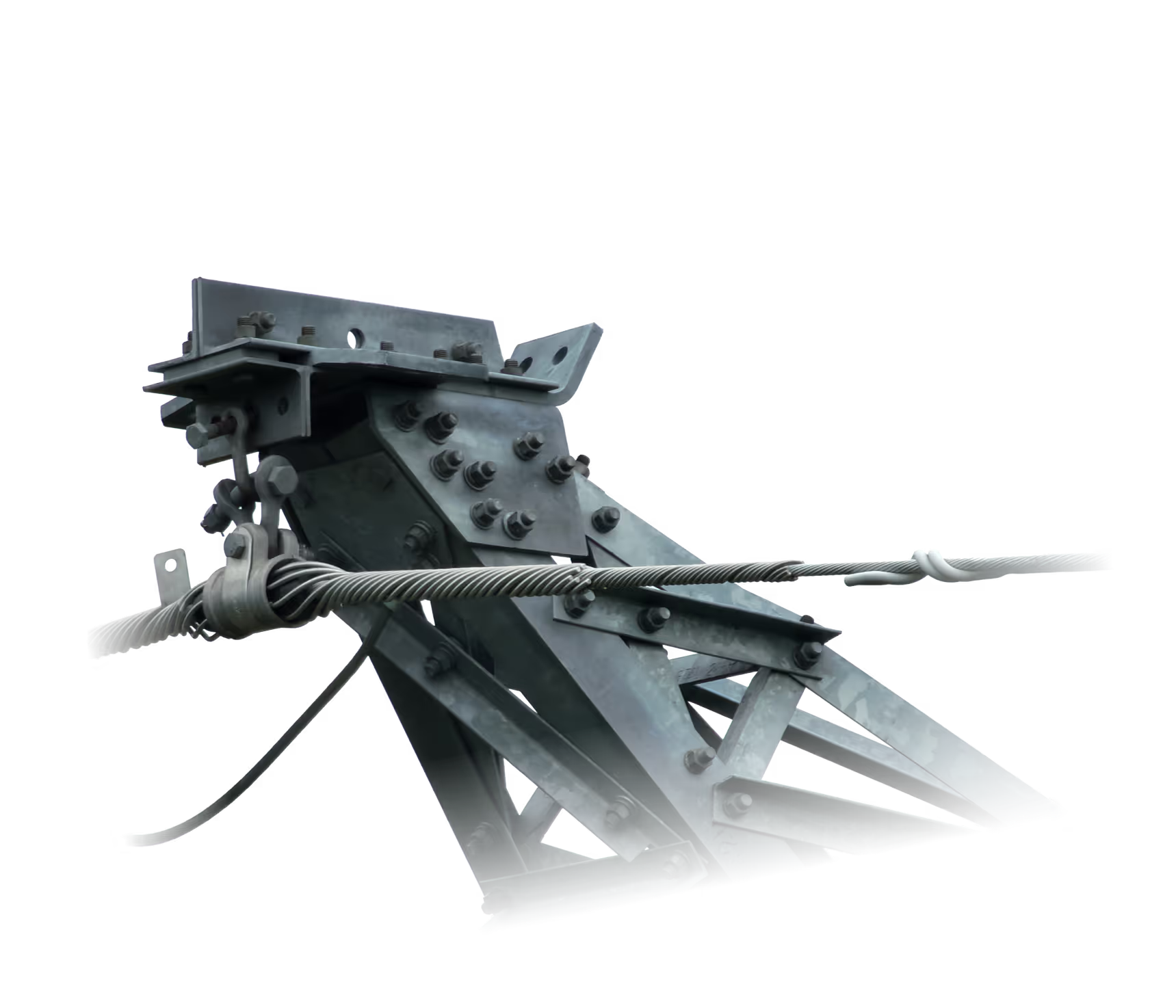
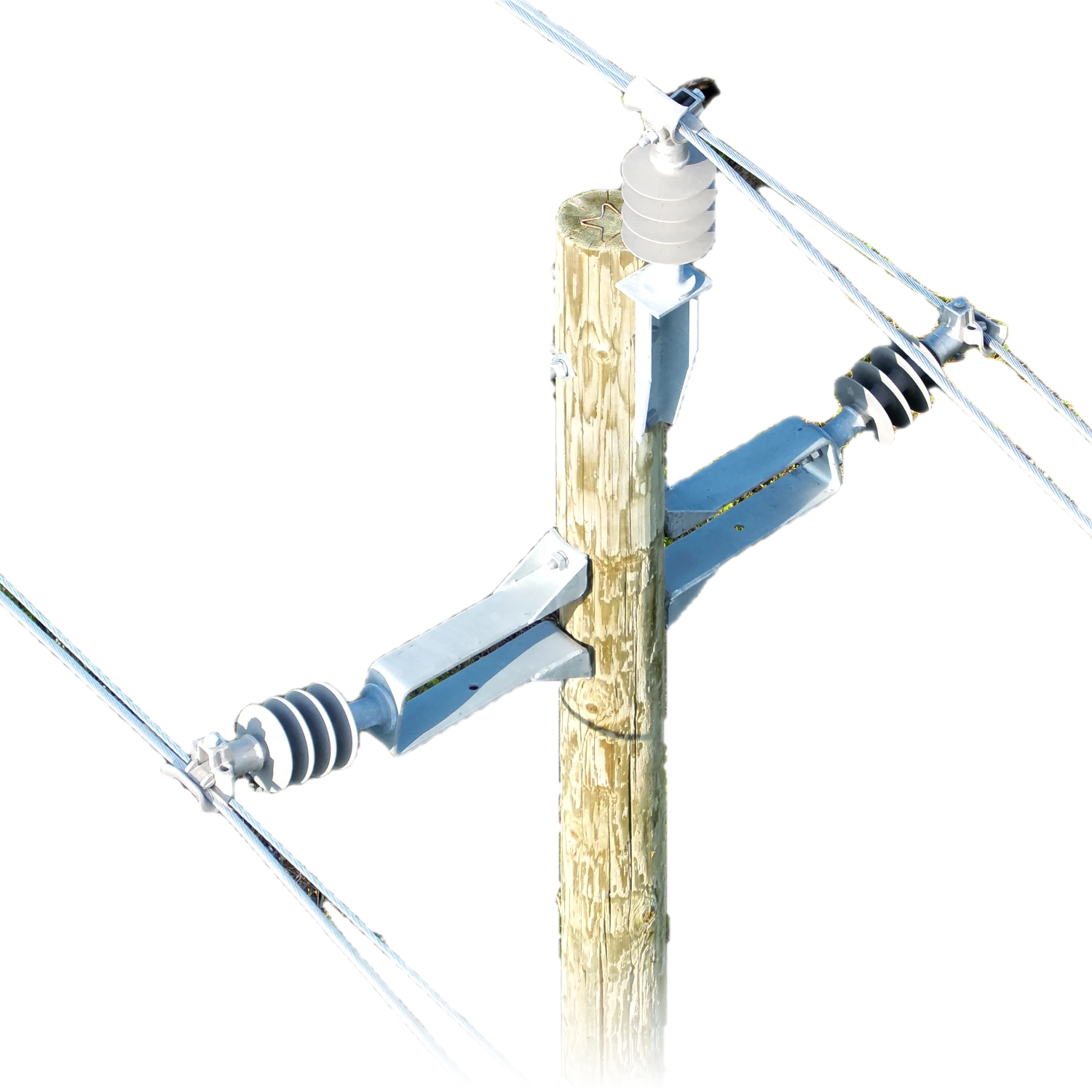
Suspension clamp with armor rods on a transmission conductor

Data quality first

Findings you can trust start with data you can trust

Defect detection only works when the underlying data holds up. 

DetectOS runs three automated checks before analysis begins, so every finding traces back to the right pole, the right angle, and a usable image.

Photo-to-structure association ties every image to the correct pole

Angle and orientation tracking confirms complete coverage, including the pole top

Image quality assurance rejects blurry or unusable captures before analysis
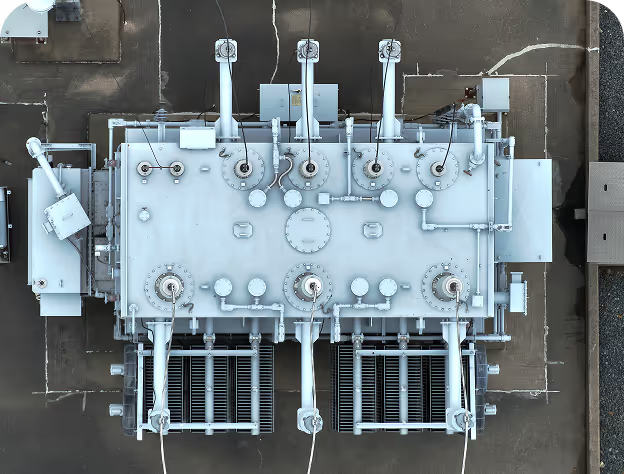
Aerial top-down view of a substation transformer with bushings and radiator banks

PLACEHOLDER

Trusted by utilities managing over 50,000 miles of transmission and distribution lines
Galvanized lattice transmission tower arm with conductor suspension clamp and shield wire

Why DetectOS

Utility pole inspection without the blind spots

Ground crews see what binoculars can reach. Vehicle cameras miss the pole top entirely. DetectOS combines any capture method into one complete condition record for every structure, then ranks what it finds by severity so your foreman knows exactly where to send crews first.
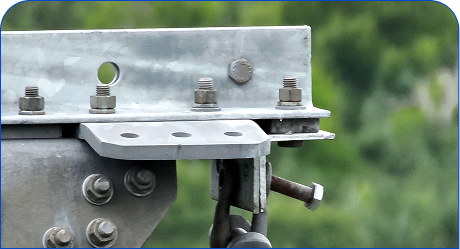
Bolted transmission tower bracket with a shackle and hanging bolt

Catch pole-top defects ground crews miss

Cracked insulators, flashed arresters, and failing hardware sit at the top of the structure. Aerial imagery plus AI detection covers the whole pole, every time.
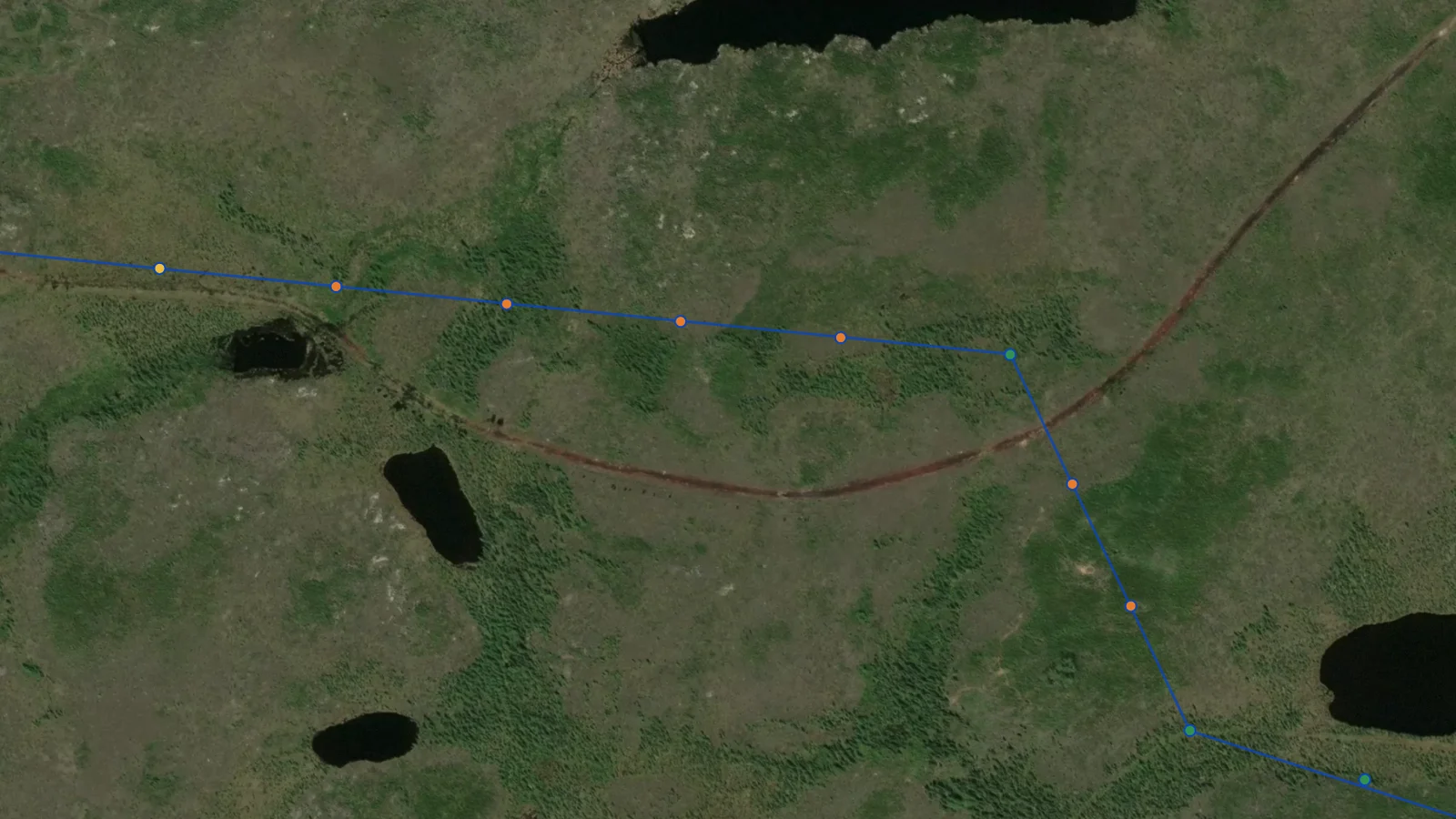
Satellite map with a transmission line route drawn and structure locations marked

Cut inspection costs up to 20X

Cover more structures with fewer truck rolls. Programs on DetectOS see up to a 95% reduction in ground travel across challenging terrain.

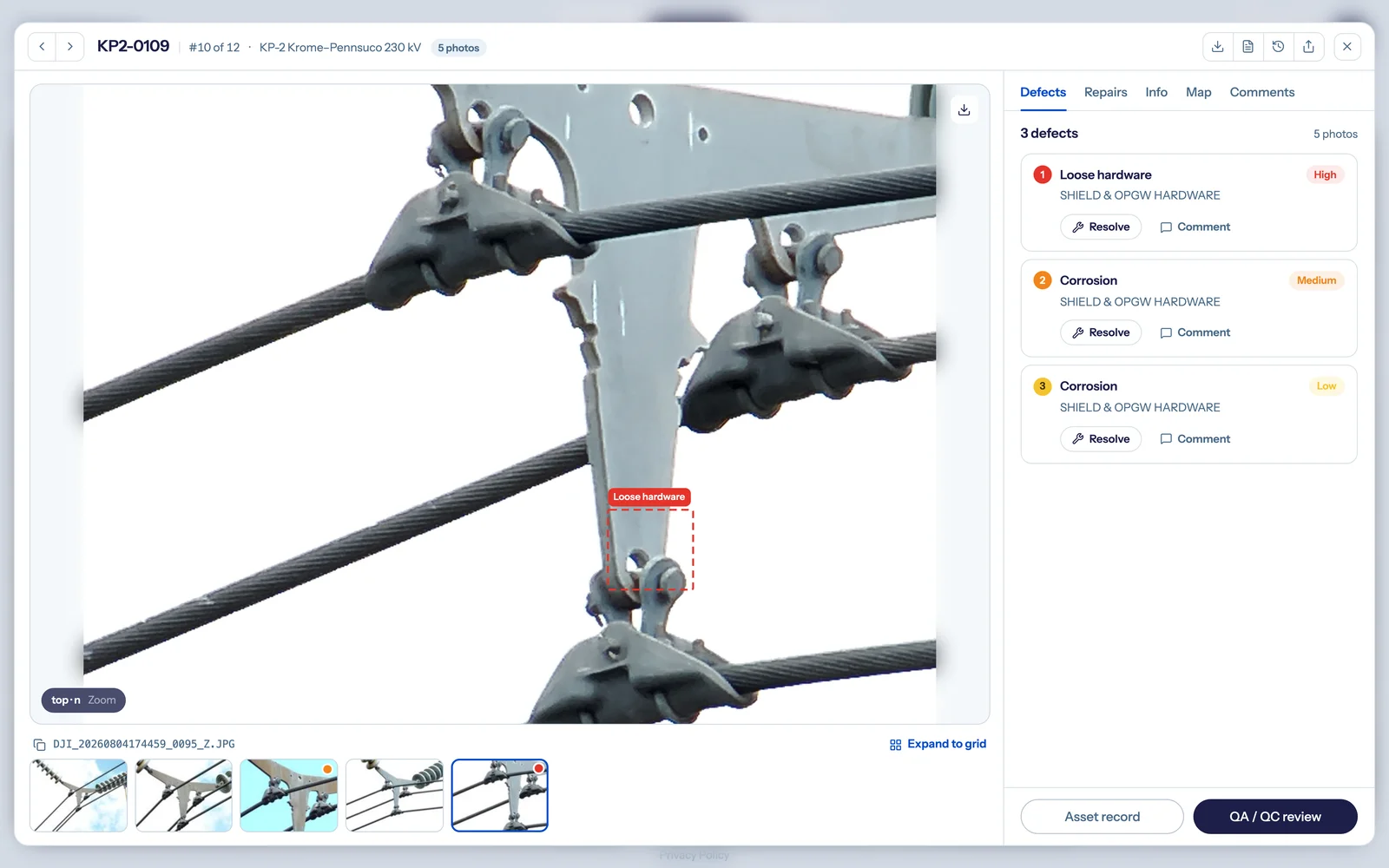
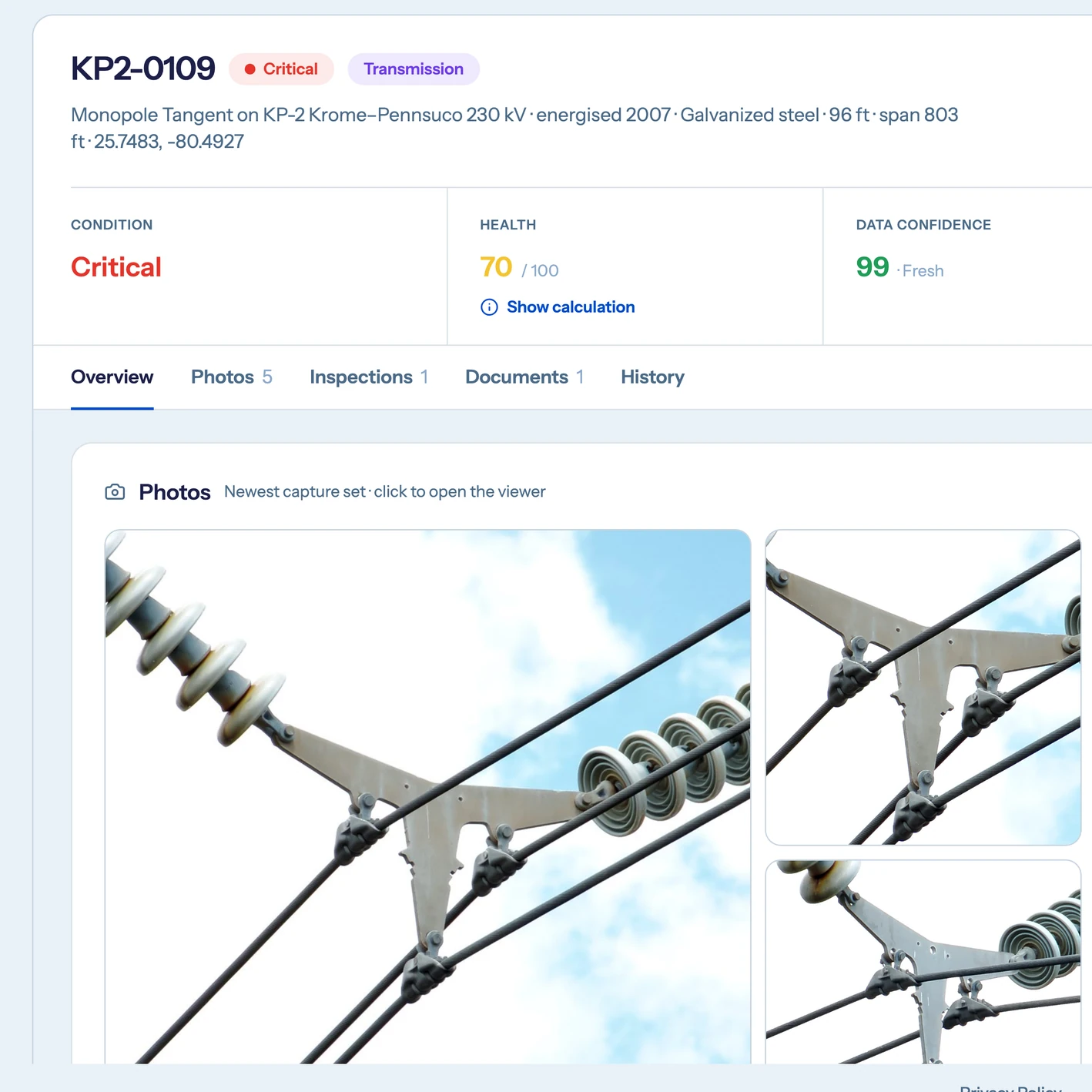
DetectOS defect viewer with a loose hardware annotation on a transmission tower bracket and three ranked defects

Build a defensible record for every pole

Each structure gets a timestamped, geolocated condition history. When auditors or utility stakeholders ask for proof, the documentation is already organized.

How pole inspection methods compare

Pole inspection methods

DetectOS

Any capture method,
verified findings

Ground patrol

Visual checks from
the roadside

Imagery-only drones

Photos delivered,
analysis on you

Pole-top visibility

Complete

Limited

Complete

Automated data-quality checks before analysis

Severity-ranked, expert-verified findings

Organized, audit-ready records per structure

Findings delivered in days

Bolted transmission tower bracket with a shackle, hanging bolt, and cotter keys against treesAerial top-down view of a substation transformer with bushings and radiator banks
How DetectOS prevented a $1M+ outage on new transmission infrastructure
When one major North American utility energized their state-of-the-art HVDC renewable transmission line, conventional wisdom suggested minimal risk.

DetectOS proved otherwise. A single loose clevis bolt in a suspension assembly (missed by QA) threatened to drop a major HVDC conductor. Our platform spotted this critical issue before winter conditions hit, preventing a costly outage.

FAQs

Common questions about pole inspection and how DetectOS handles distribution scale.

Still have questions? Talk with our team about your inspection cycle and see the platform live.

What does a pole inspection include?


A complete pole inspection covers structural condition, hardware, attachments, and electrical components from groundline to pole top. DetectOS analyzes imagery across all of these, flags defects, and ranks each finding by severity.

How often should utility poles be inspected?


Cycles vary by regulator, climate, and pole age, and many utilities run visual inspections far more often than intrusive groundline tests. DetectOS lowers the cost per structure enough to inspect more frequently without expanding crews.

Can drone imagery replace climbing inspections?


For visual condition assessment, yes, and it covers pole tops that ground crews never see. Intrusive tests like groundline boring still require a physical visit, and DetectOS helps you target those visits at the poles that actually need them.

What happens after defects are found?


Each finding is verified by subject matter experts, scored by severity, and compiled into platform-accessible reports. Your team gets a prioritized repair list instead of a folder of photos.

Who uses DetectOS for pole inspection?


Utilities, infrastructure contractors, and drone service providers all run pole inspection programs on DetectOS. The platform standardizes results no matter who captures the data.